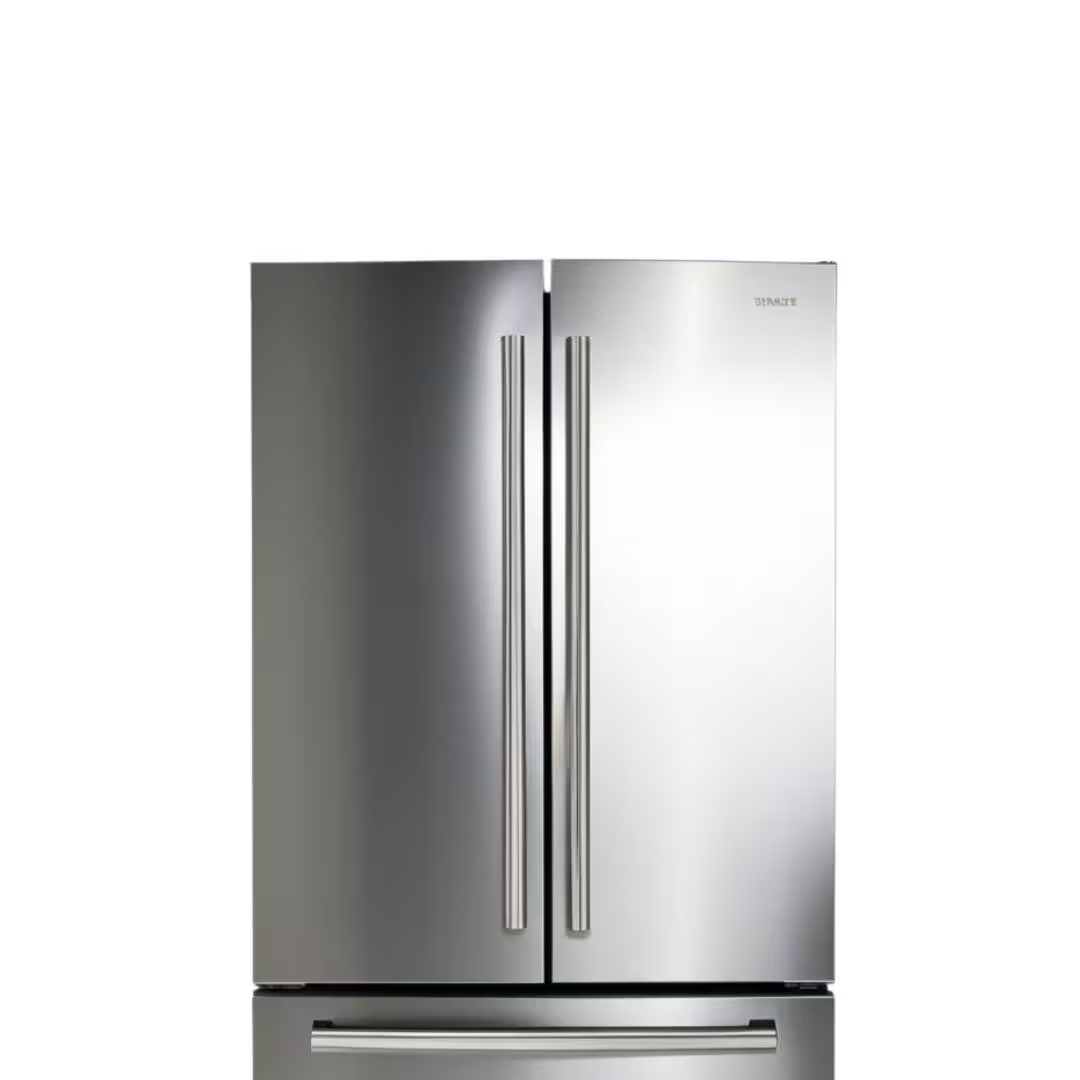
Common Sub-Zero refrigerator problems
Fresh-food side warm, freezer still cold: Because many Sub-Zero models cool each side separately, a warm refrigerator section with a normal freezer points to that side's own system: an evaporator fan that stopped, an evaporator packed with frost from a defrost fault, or a temperature sensor reporting the wrong value. We read temperatures and the control's history before ordering anything.
Both sections warm or the unit runs nonstop: When the whole unit warms up, the first stop is the condenser area. Dust and lint block heat exchange, the compressor runs longer, and temperatures creep up. After a cleaning, Sub-Zero notes temperatures can take up to a day to recover, so we also check the fan and electrical parts to rule out a second problem.
Service or Vacuum Condenser message: On many electronic controls, a flashing Service or Vacuum Condenser message means the control saw long compressor run times or logged a fault. A message is a starting point, not a part number. We check the condenser, the door seal and the run history, then the component the readings point to.
Water under the crispers or on the floor: Water pooling under the crisper drawers usually means the defrost drain tube is frozen or clogged, so meltwater overflows inside the cabinet. Water on the floor can also come from the ice maker supply line or the water valve. We trace where it starts before replacing anything.
Frost on the back wall or a door that won't seal: If a door doesn't close with a firm seal, moisture gets in and freezes on the evaporator and the walls. We check the gasket, the hinge adjustment and the closer, then the defrost system if the seal turns out to be fine.
Clicking, buzzing or constant starting and stopping: Some noise is normal: fans, water flowing, the ice maker dropping cubes. A new rattle, a squealing fan, or a compressor that clicks on and off every few minutes is not, and it's worth a look before the compressor overheats.