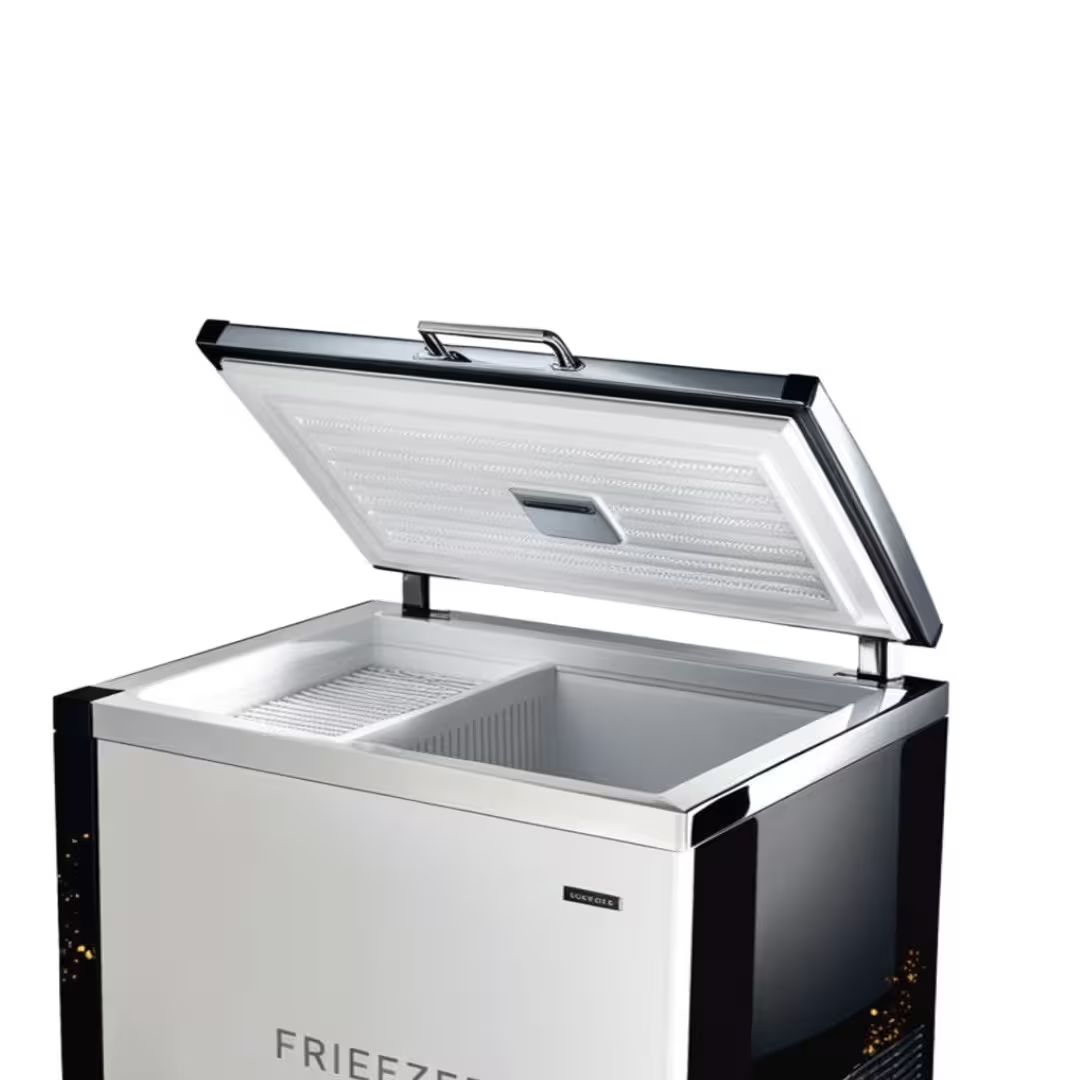
01 /Identify the freezer configuration
An all-freezer model and a freezer drawer beneath a refrigerator are different configurations. Keep the complete model number when describing the appliance, including its suffix. If a second cabinet beside it appears normal, record that separately. On combination appliances, include observations from the refrigerator compartment so the request does not imply that the whole unit has stopped cooling.
Record frost before disturbing it
A photograph showing where frost first appears is more useful than the statement that the freezer is iced up. Note whether it is around a drawer edge, on packages or across an interior surface, and whether the door closes without obstruction. Do not chip ice, remove frozen covers or apply external heat. Those actions can damage the appliance and erase useful evidence.
Keep ice production distinct from frozen storage
Explain whether stored food is affected or the complaint is limited to ice production. An ice maker is a function within some freezer configurations; no ice alone does not establish a freezer cooling failure. Include any message on the display and when the change began. Avoid repeated setting changes while trying to infer which part needs replacement.
Request service from the Glendale base
Check the property ZIP against the listed California coverage, then provide the full appliance model, the symptom and any access restrictions. A matching ZIP does not reserve a visit or guarantee acceptance of every address. The team confirms equipment scope and appointment availability. You receive a written repair estimate before approving work; parts and any follow-up visit depend on the assessment.